
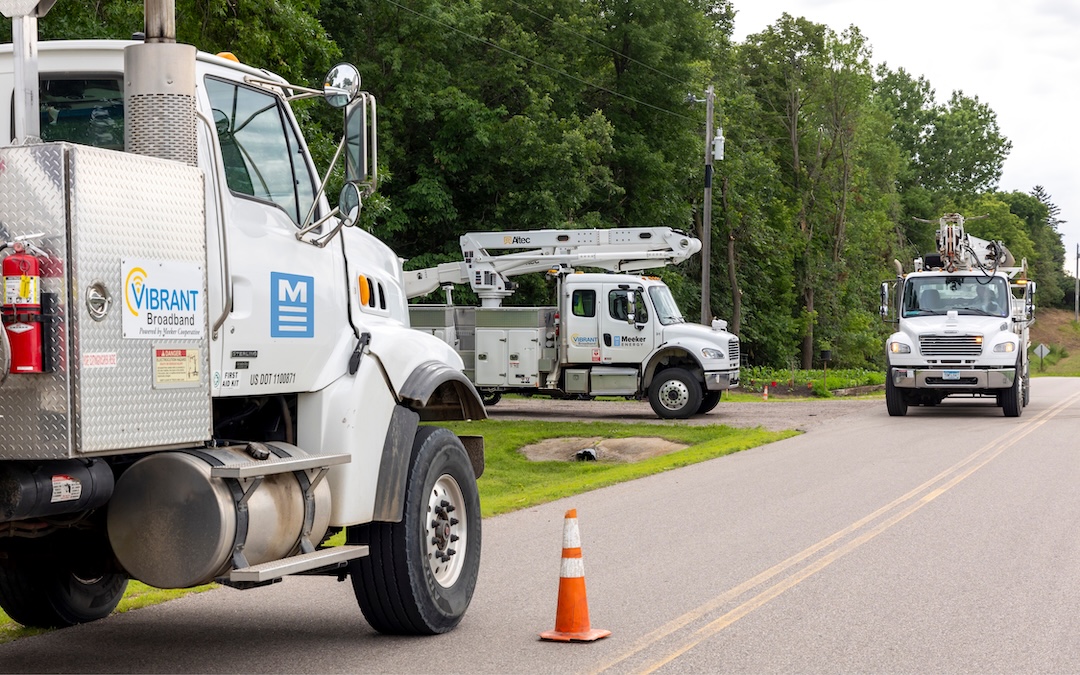
When the lights go out, most members have the same first question: “Does Meeker Energy know?”
Often, the answer is yes. Meeker Energy uses an outage management system called Pyxis, which works with meter data to help identify where outages are happening. When a meter loses power, it can send a “last gasp” message before going offline. That signal helps Meeker Energy determine whether an outage involves one member, a group of members or a larger section of the system.
Members who have opted in to outage text notifications may receive a message when an outage is detected at their individual service address. When power is restored, the meter can send another message indicating service appears to be back on.
Still, technology does not replace member reports. If power is reaching the meter but there is an issue on the member’s side, Meeker Energy may not be able to detect it. During large outages, many meters may try to send signals at once, and not every message may get through. Cell service can also affect text notifications. If you are unsure Meeker Energy knows about your outage, or if you receive a restoration message but still do not have power, please report it.
Once an outage is detected or reported, crews use meter alerts, outage maps, dispatch information and member details to begin narrowing down the issue.
“When an outage is reported or detected, we usually receive the location, number of members out, whether it was member-reported or meter-reported, and any special notes,” said Al Resman, Foreman/Lineman, who has worked at Meeker Energy for 29 years. “That might be something like a tree on the line, a vehicle hit a pole or a cabinet was damaged.”
When crews arrive, their first job is to determine where power has been disconnected. Sometimes that means patrolling the line, or inspecting the electric system section by section, looking for loose hardware, broken insulators, tree issues or unsafe conditions.
Weather is one of the most common causes of outages on Meeker Energy’s system. Trees brought down by wind or heavy snow can damage lines and equipment. Animal contact may cause smaller outages that can often be restored more quickly, while large weather events, broken poles, damaged lines, snow, ice or widespread tree damage can take more time.
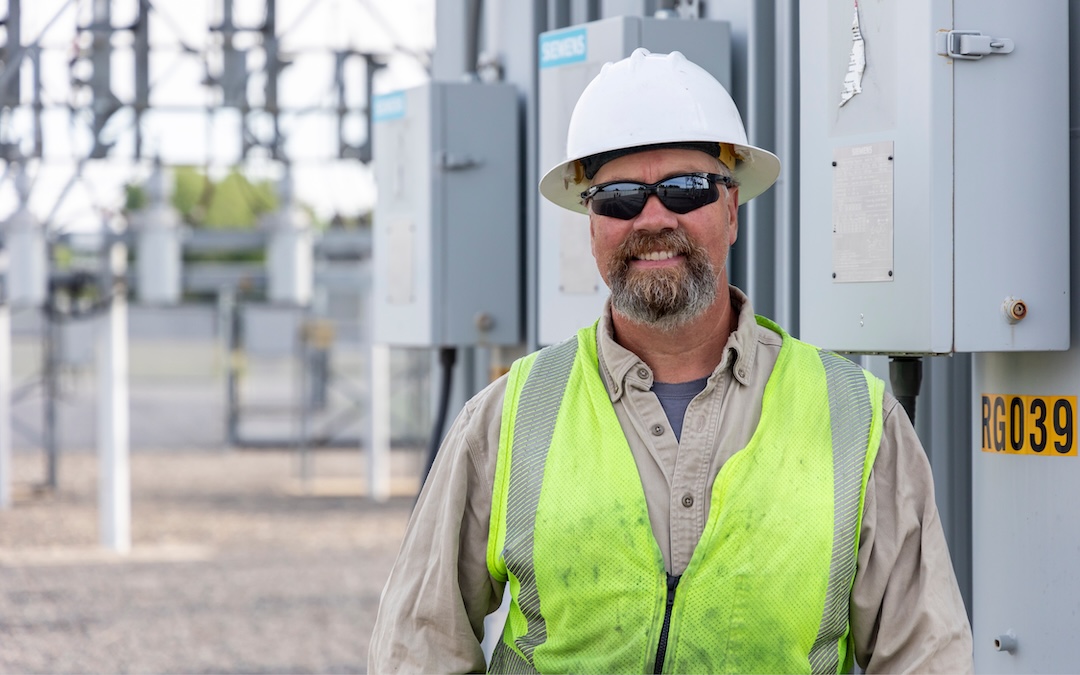
Once the problem is found, crews determine the safest and most efficient way to make repairs. That includes identifying what equipment, materials and crew support are needed, along with the safety steps required before work begins.
Safety is always the first priority. Crews must verify where lines are open and identify public safety concerns, such as downed lines or poles on roads, in yards or near driveways. In some cases, power may need to be isolated or rerouted so crews can work safely.
During a larger outage, crews typically start with the areas that will restore power to the largest number of members. From there, they continue working through the system until smaller outages and individual services are restored.
From home, it may sometimes look like nothing is happening. Behind the scenes, crews may be locating the source of the outage, making the area safe, coordinating materials or repairing damage in difficult conditions.
“Some outages are quick to restore, and some take a lot of time,” Resman said. “There is a lot of effort put in to keep the public and workers safe, which can take time.”
Members can help by reporting outages, checking the outage map, keeping contact information current and opting in to outage text notifications. Members should also stay far away from downed power lines and damaged equipment, even if a line does not appear to be energized.
Outage response is a balance of technology, experience and teamwork. Meter data helps identify trouble. Member calls provide important details, and lineworkers bring the training and judgment needed to restore power safely. For members, the best moment is when the lights come back on. For the lineworkers who restored them, that moment matters too. “It’s a tremendous amount of satisfaction,” Resman said.